Top 5 Must-Watch Sessions on Conceptual Anesthesia You Can’t Afford to Miss
Every anesthesiology resident knows this feeling — “I’ll watch it later” often turns into “I wish I had watched this earlier.” Some sessions are simply too important to skip — they sharpen your clinical thinking, strengthen your basics, and directly impact how you perform in the ICU, OT, and exams.
Here are the Top 5 most-watched and highly appreciated sessions on Conceptual Anesthesia that every anesthesia and critical care trainee must watch 👇
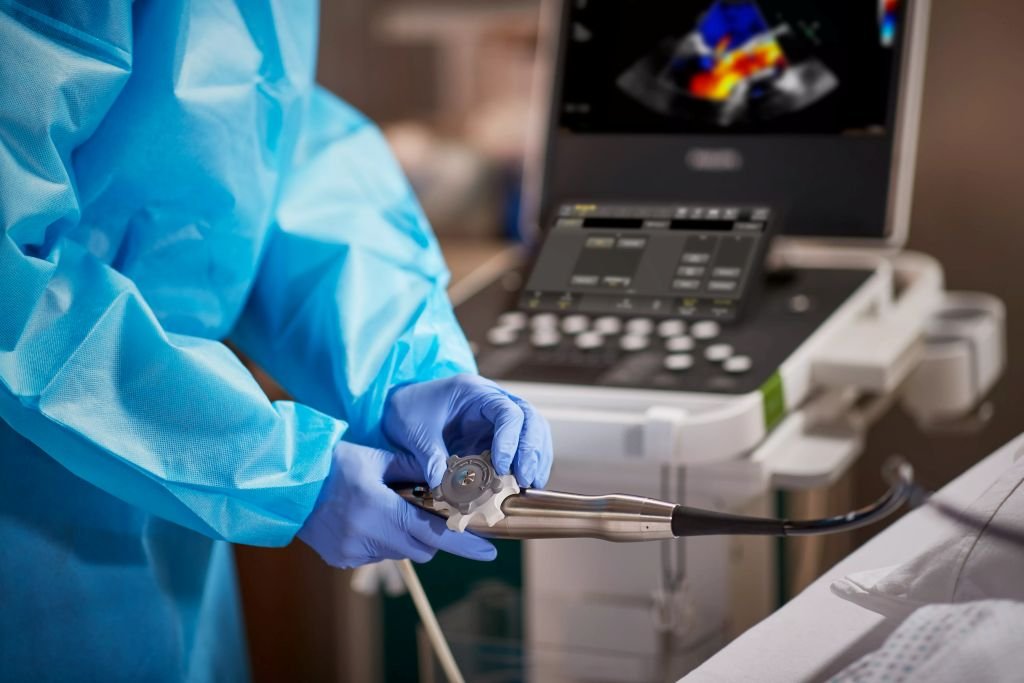
1. Point of Care Ultrasound in Critical Care By Dr. Payel Bose
POCUS is no longer optional — it’s a bedside necessity in modern critical care. In this session, Dr. Payel Bose explains how to use ultrasound for rapid diagnosis, real-time decision-making, and procedural guidance in the ICU, with a strong clinical focus.
Ideal for: • Critical care physicians • ICU residents & fellows • Emergency medicine trainees • Anesthesiology & internal medicine residents
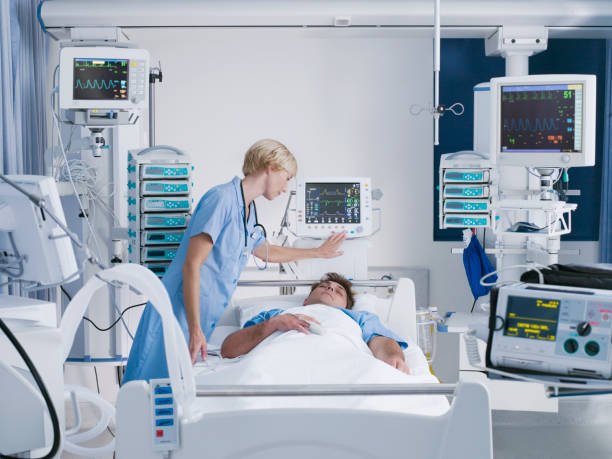
2. Trauma Intensive Care – MCQ Based Discussion By Dr. Kishore Mangal
A high-yield MCQ-based discussion focusing on trauma ICU protocols, critical decision-making, and exam-relevant scenarios. This session is designed to help you think like an intensivist while staying exam-ready.
Key takeaways include: • Initial assessment and prioritization in trauma ICU • Ventilation strategies in polytrauma patients • Hemodynamic management and shock differentiation • Neurotrauma and head injury basics • Common ICU mistakes tested in NEET PG & DNB • MCQ-solving approach with clinical reasoning
These sessions are only a glimpse of what Conceptual Anesthesia offers. From fundamentals to advanced critical care, from exam-oriented MCQs to real-life clinical reasoning — Conceptual Anesthesia is built to make you confident, not confused.
👉 Subscribe to Conceptual Anesthesia today and get access to structured, high-yield sessions that truly support your residency, exams, and day-to-day clinical practice.
Don’t wait. Learn it now — when it actually matters.