
Issue, July 2026
Newsletter
June Learning Highlights
Every month brings new opportunities to strengthen your concepts, improve your clinical decision-making, and stay exam-ready. Throughout June, Conceptual Anesthesia introduced several high-yield sessions designed specifically for anesthesia residents and postgraduate students.
In this edition, we have shortlisted five must-watch sessions that deserve a place on every resident’s learning list. These lectures cover practical ICU management, neuroanesthesia, microbiology, POCUS, spinal anesthesia, and exam-oriented concepts that are frequently tested in MD, DNB, INICET, and NEET SS examinations.
Whether you are preparing for your residency exams or looking to improve your day-to-day clinical approach, these sessions will help you build stronger fundamentals.
Featured Session of the Month
Quick Resistance Identification From Culture Report
ESBL vs AmpC vs KPC Explained
Faculty: Dr. Kishore Mangal
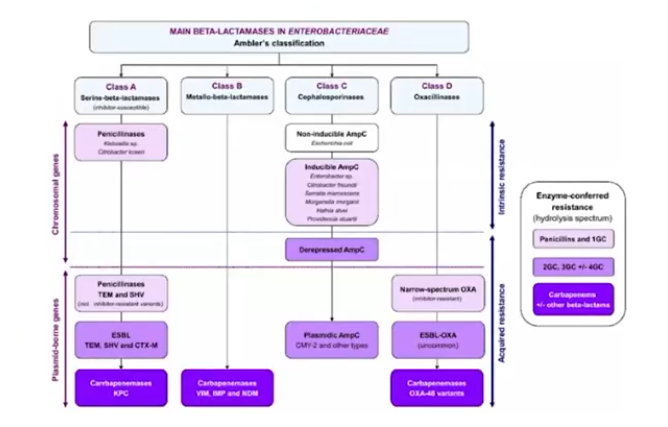
One of the biggest challenges in critical care is choosing the right antibiotic after receiving a culture report. Understanding whether an organism produces ESBL, AmpC, or KPC enzymes can completely change the treatment strategy, yet many residents find these reports difficult to interpret.
In this detailed session, Dr. Kishore Mangal explains a simple and practical approach to reading Gram-negative culture reports. Instead of memorizing resistance patterns, the lecture teaches you how to identify them logically and use that information to make better clinical decisions.
The session covers:
- A systematic approach to reading culture reports
- Understanding beta-lactam resistance patterns
- How to differentiate ESBL, AmpC, and KPC producers
- The significance of carbapenem sensitivity
- Recognizing AmpC organisms using antibiotic susceptibility patterns
- Practical antibiotic selection based on resistance mechanisms
This lecture is highly relevant for anesthesia residents working in ICUs and operating rooms, where antibiotic decisions directly influence patient outcomes. It is also an excellent revision resource for MD, DNB, INICET, and NEET SS examinations.
More High-Yield Sessions from June
1. How to Manage Anesthesia for Aneurysm Coiling?
Faculty: Dr. Unmesh Bedekar
A concise yet comprehensive session covering anesthesia management in aneurysmal subarachnoid hemorrhage. Learn the important neuroanesthesia principles, aneurysm coiling procedure, rupture risk, and perioperative considerations that every anesthesia resident should know.
2. Point of Care Ultrasound in Critical Care
IVC Assessment & Fluid Responsiveness in Shock
Faculty: Dr. Payel Bose
POCUS has become an essential bedside skill in critical care. This practical case-based lecture explains how IVC assessment, cardiac views, and lung ultrasound help evaluate hypotensive patients and guide fluid resuscitation decisions.
3. DNB October 2025 Paper Discussion – Paper 2 (Part 3)
Faculty: Dr. Jhanvi Bajaj
An exam-focused discussion covering spinal additives, neurological complications of spinal anesthesia, PDPH, epidural hematoma, meningitis, and structured answer-writing techniques. A valuable resource for DNB, MD, and viva preparation.
4. How to Choose the Right Antifungal in ICU Patients?
Echinocandins vs Azoles vs Amphotericin B
Selecting the appropriate antifungal therapy is an important ICU skill. This session simplifies antifungal pharmacology and explains when to choose echinocandins, azoles, or amphotericin B based on the patient’s condition, fungal species, resistance patterns, and severity of illness.
Keep Learning with Conceptual Anesthesia
These sessions represent only a small part of the extensive academic content available on the Conceptual Anesthesia platform. From anesthesia fundamentals and critical care to pharmacology, neuroanesthesia, ICU protocols, and exam-oriented discussions, the app is designed to support residents throughout their preparation journey.
Download the eConceptual App, subscribe to Conceptual Anesthesia, and get unlimited access to comprehensive lectures, high-yield discussions, clinical concepts, and structured learning resources-all in one place.
Stay Ahead. Stay Conceptual.
Strong concepts make confident clinicians.
Keep learning consistently, revise regularly, and make the most of every session available on Conceptual Anesthesia. We look forward to bringing you more high-yield lectures, practical discussions, and exam-focused learning in the next edition.
See you in the August newsletter!